Type: Primate
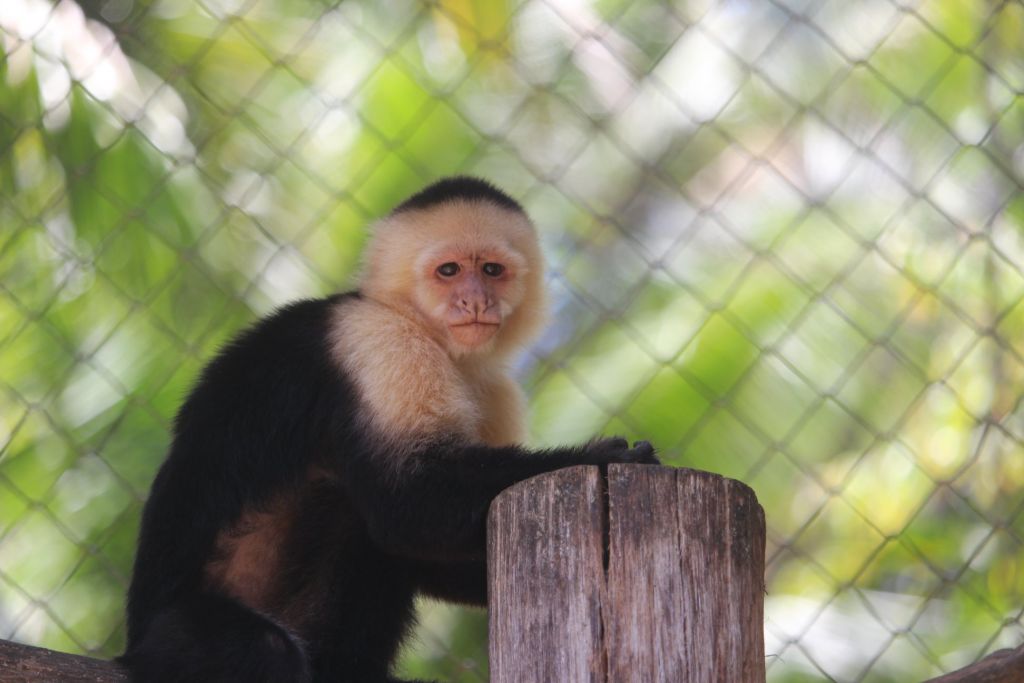
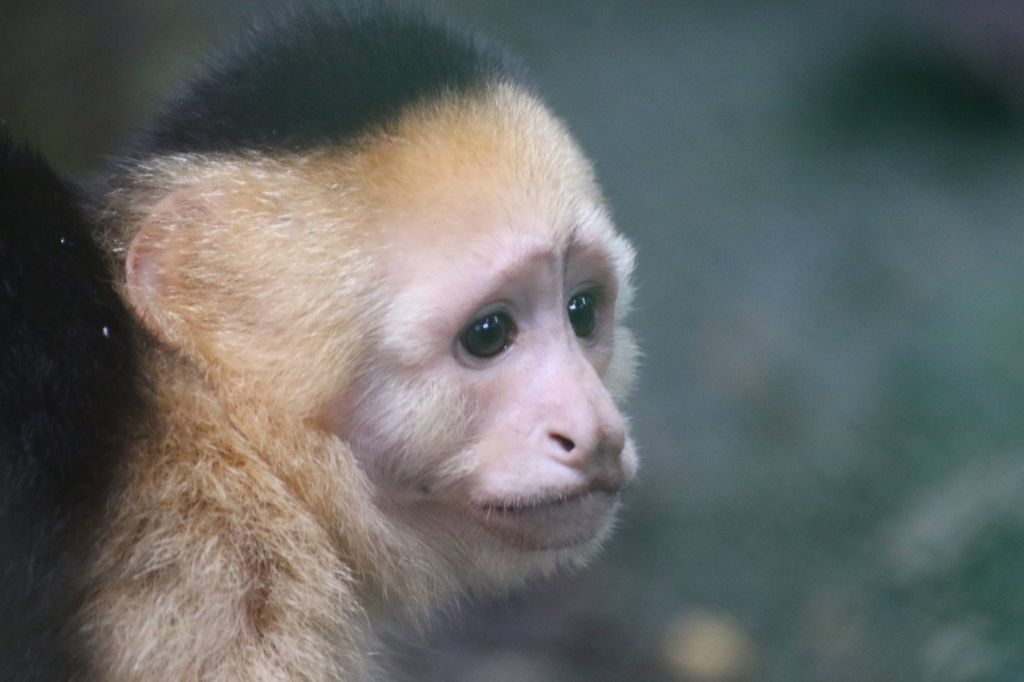
Coco, Honey & Pablo
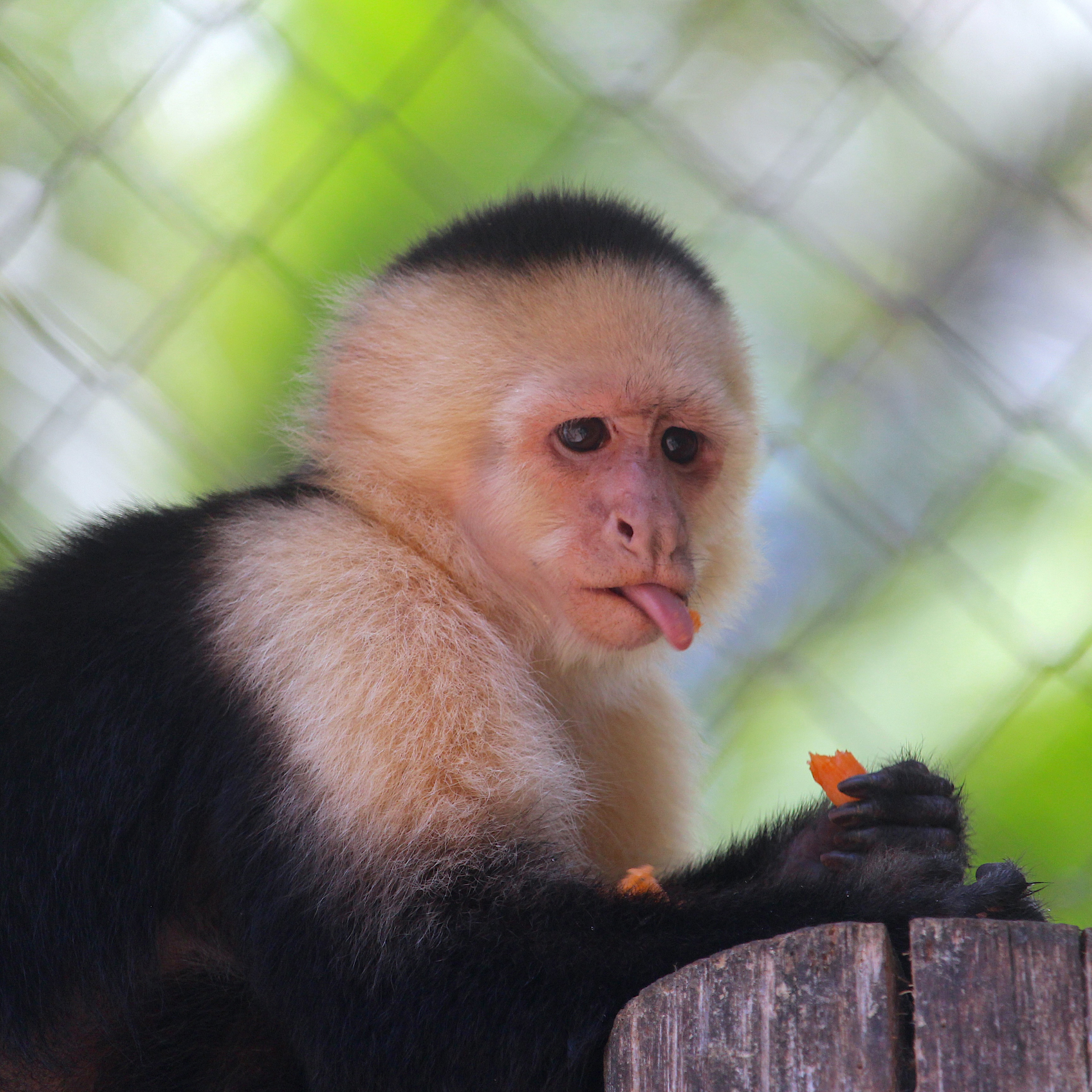
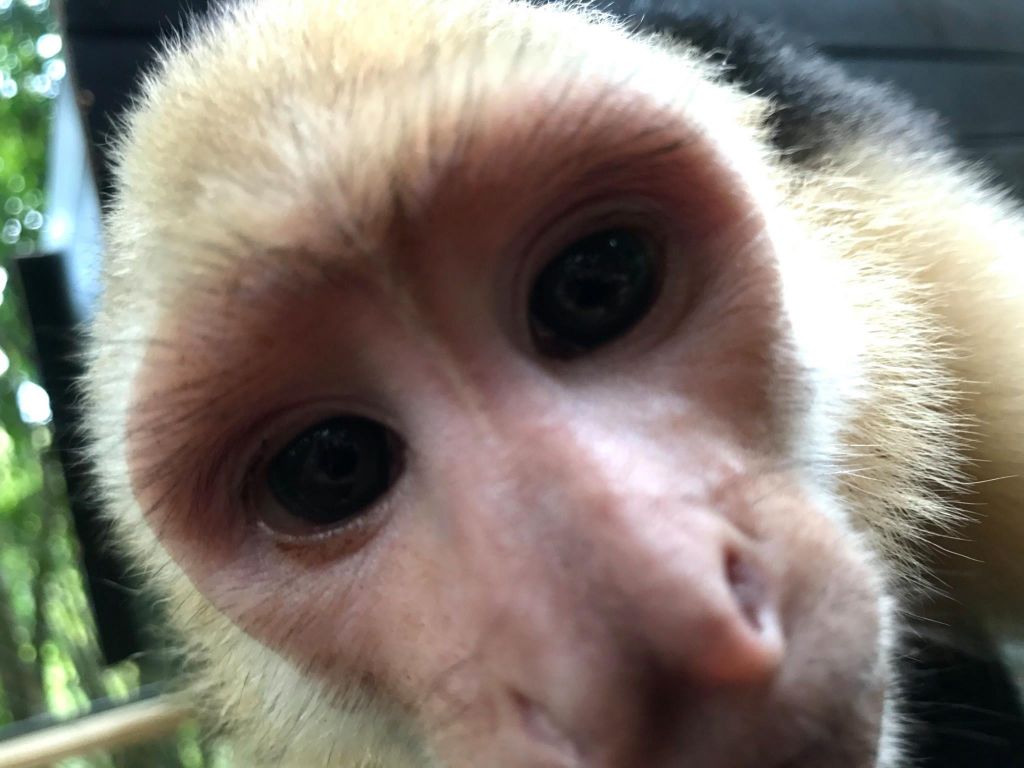
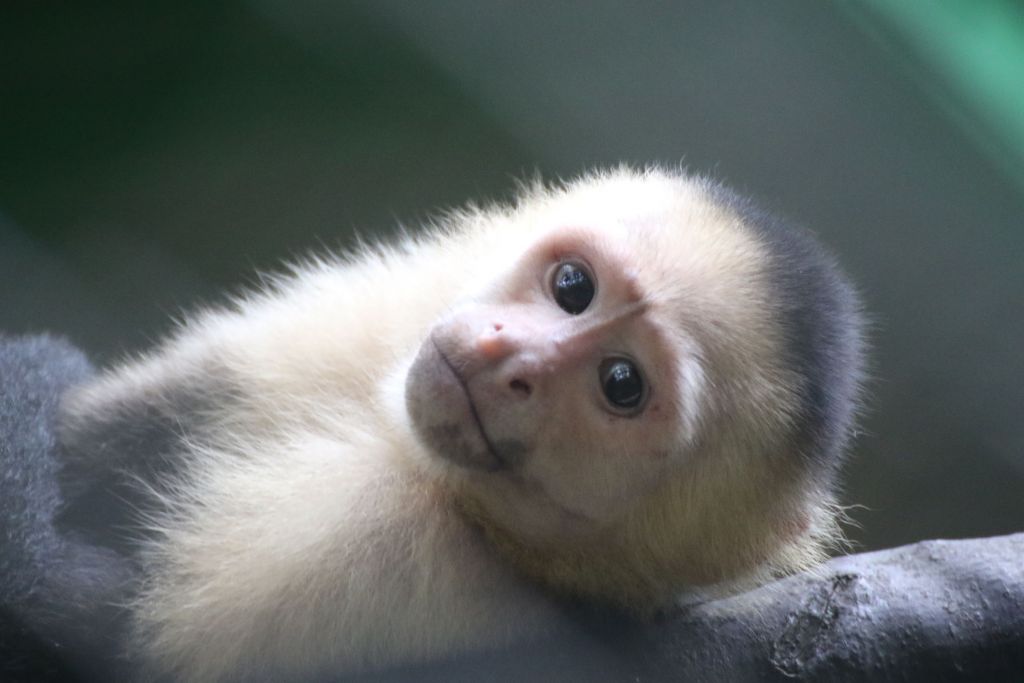
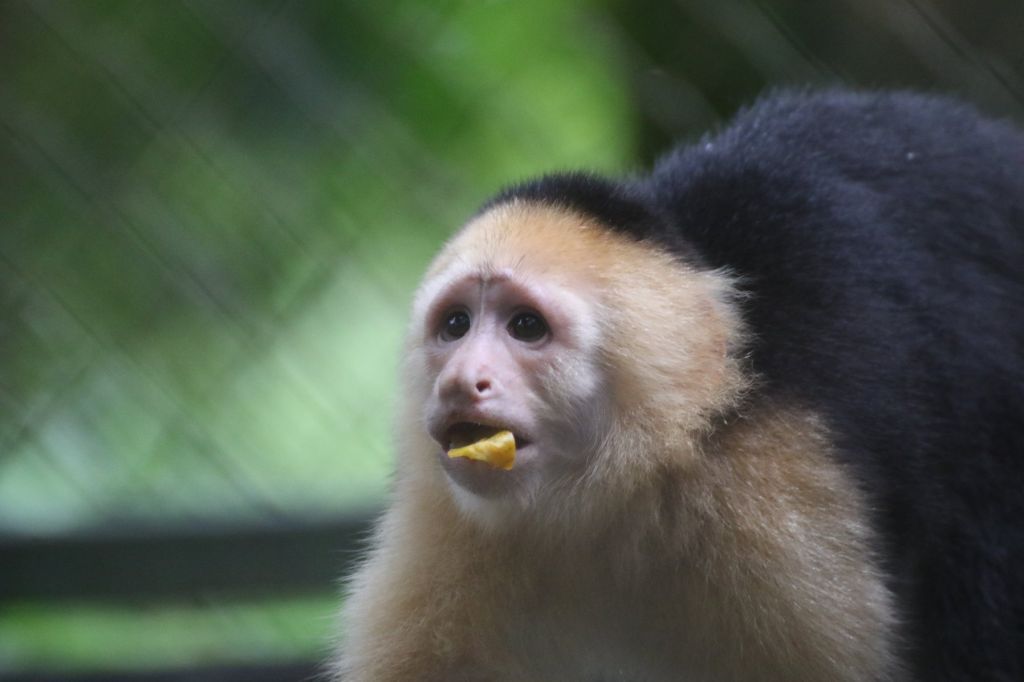
Species: White-Faced Capuchin
Taxonomy: (Cebus imitator)
Spanish Name: Mono carablanca
Other Common Names: Panamanian White-throated Capuchin
Story:
My name is Coco. I live here with two other capuchins, Honey and Pablo, and each of us ended up at the sanctuary for different reasons. I’ll start with myself.
I was kept as a pet in San Isidro. My owner used to walk me on a leash like a dog until someone reported it. I was confiscated and taken to a sanctuary in Osa when I was very young, and later transferred here to Alturas when that place closed. Over time, I developed a lot of frustration around humans. I often throw whatever I can grab, and when I’m stressed, I fall into odd behaviors like standing upside down on my head. Because of this, and my human imprinting, I can’t be released.
Pablo came from a bit of a different situation. She’s actually a female, despite her name, and she was kept as a pet by a drug cartel. When the authorities raided the property, they found her in a cage. She went to the Osa sanctuary in 2012 and came here in 2014. Pablo loves people and is comfortable around them, but she has spent her entire life in captivity, so she wouldn’t know how to survive in the wild.
Honey was taken from a family in Cortez who kept her as a pet. She arrived here as an adult, already used to living with humans rather than a troop.
The three of us are considered non-releasable. White-faced monkeys need to live in large, stable groups, and wild troops would immediately notice how differently we behave. They would likely reject us or even attack us. Releasing us would also increase the risk of negative interactions with people, especially in places like Manuel Antonio where monkeys and humans already clash. On top of that, we don’t fully know how to find or process the foods wild capuchins depend on.
So, we stay here together, safe, and supported in a way the wild could never offer us now.