Type: Carnivora
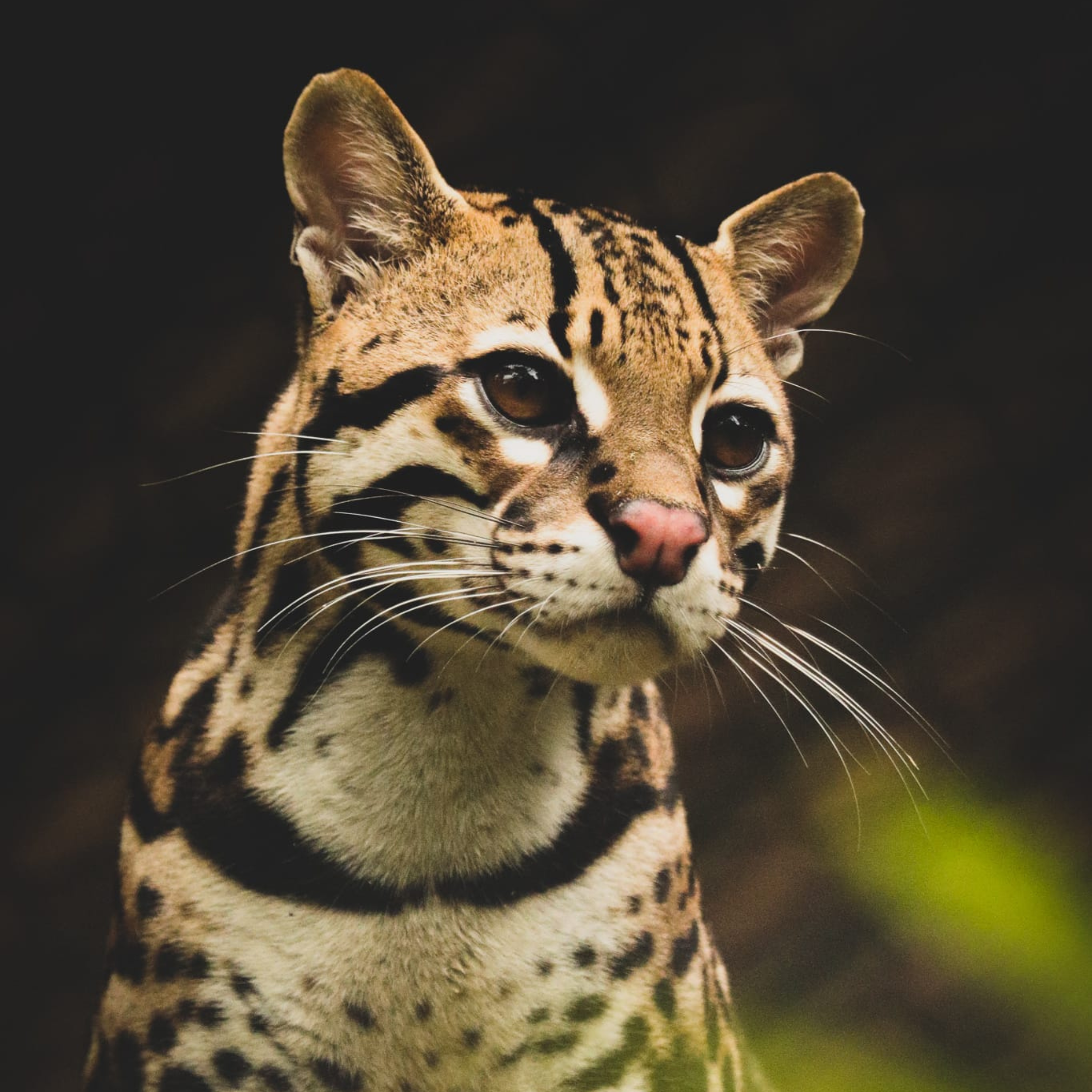
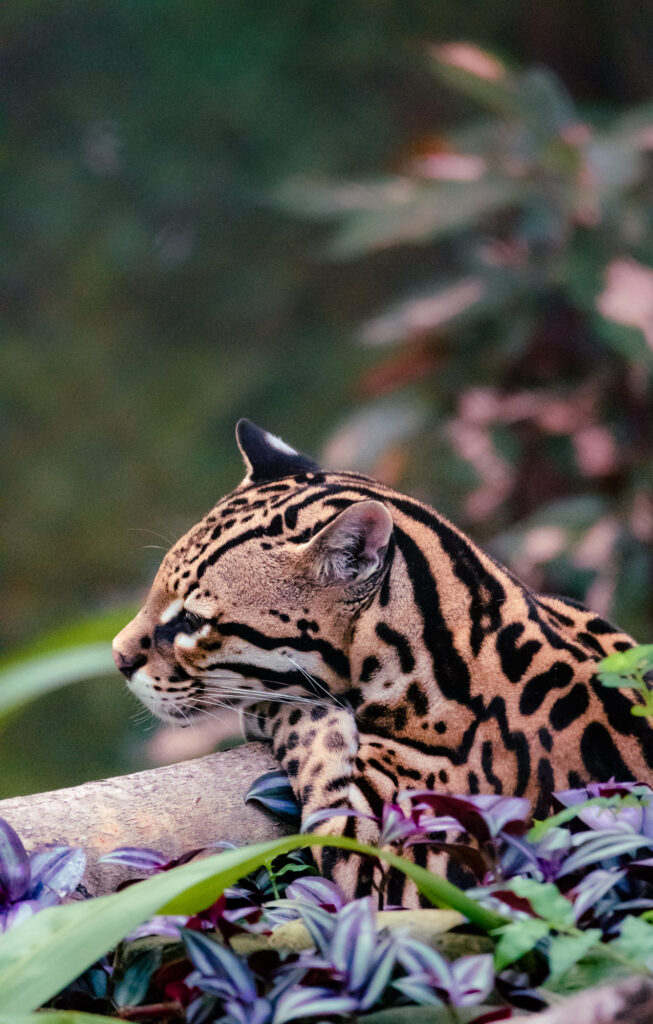
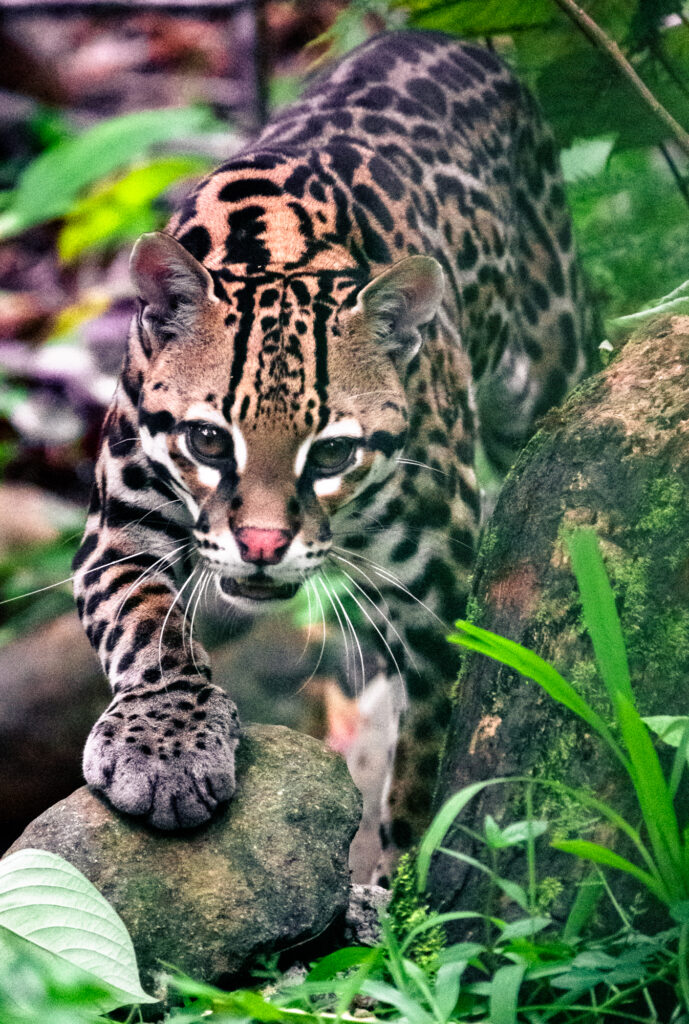
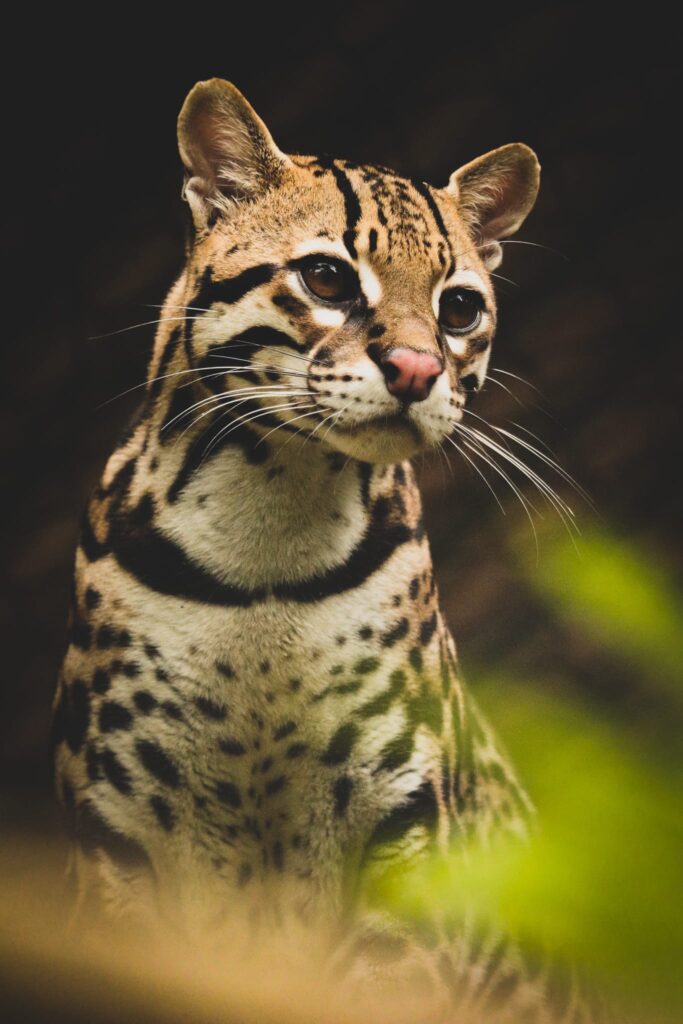
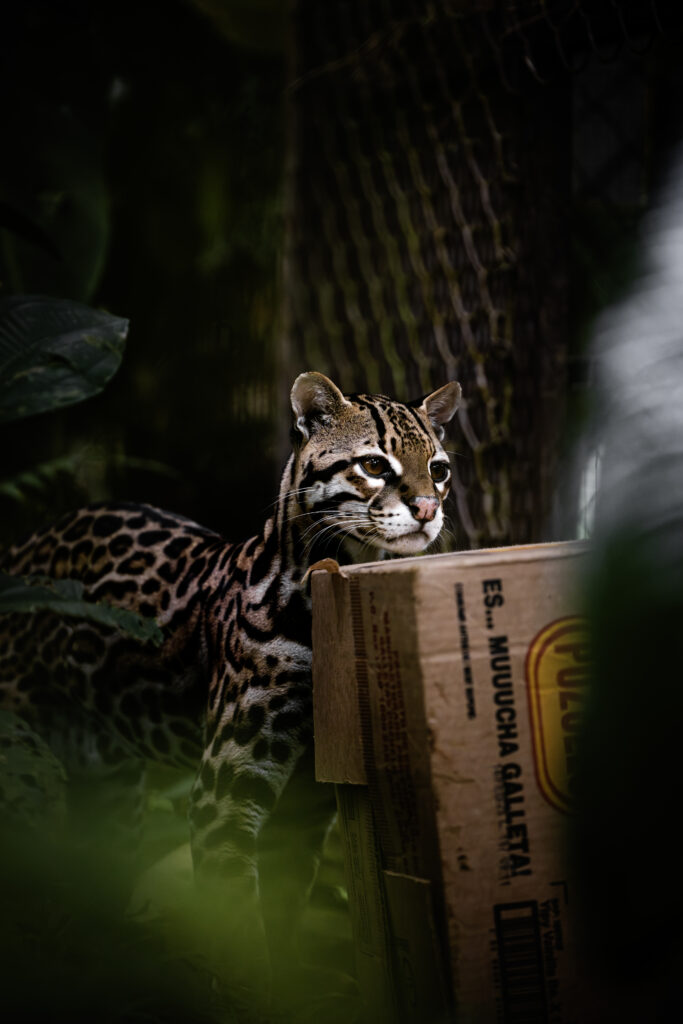
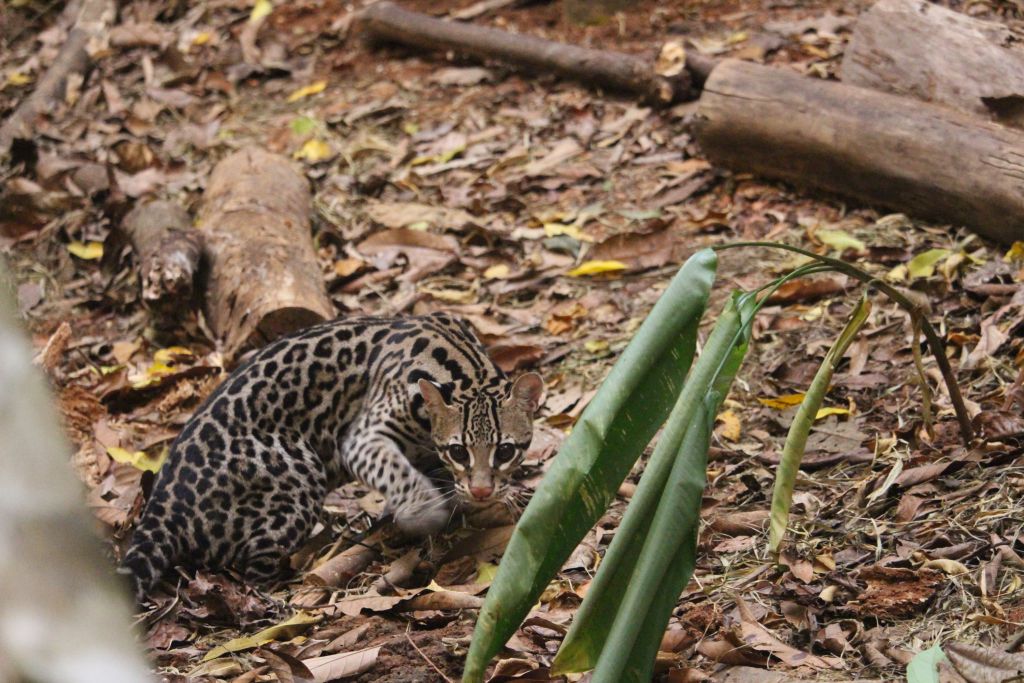
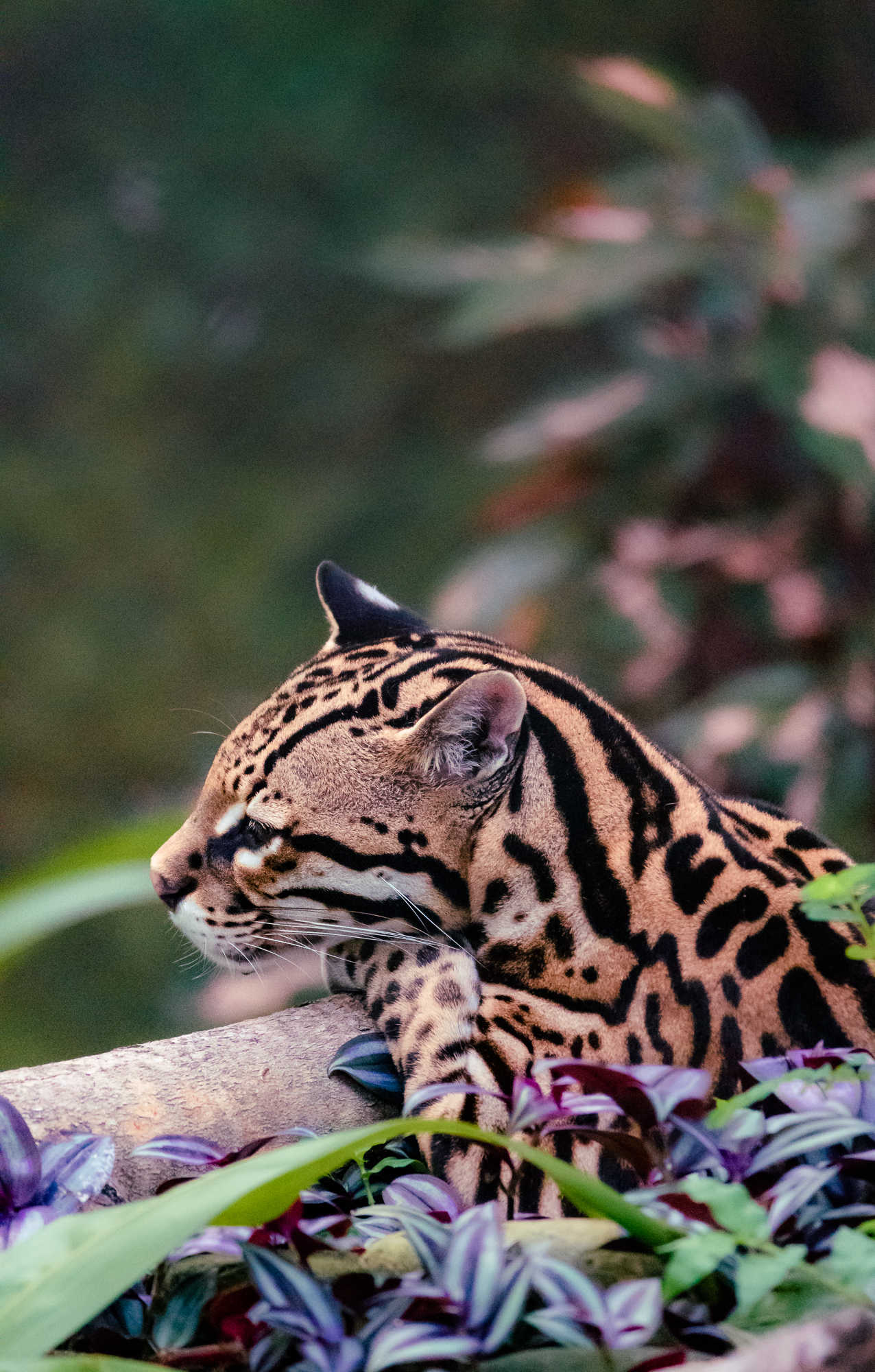
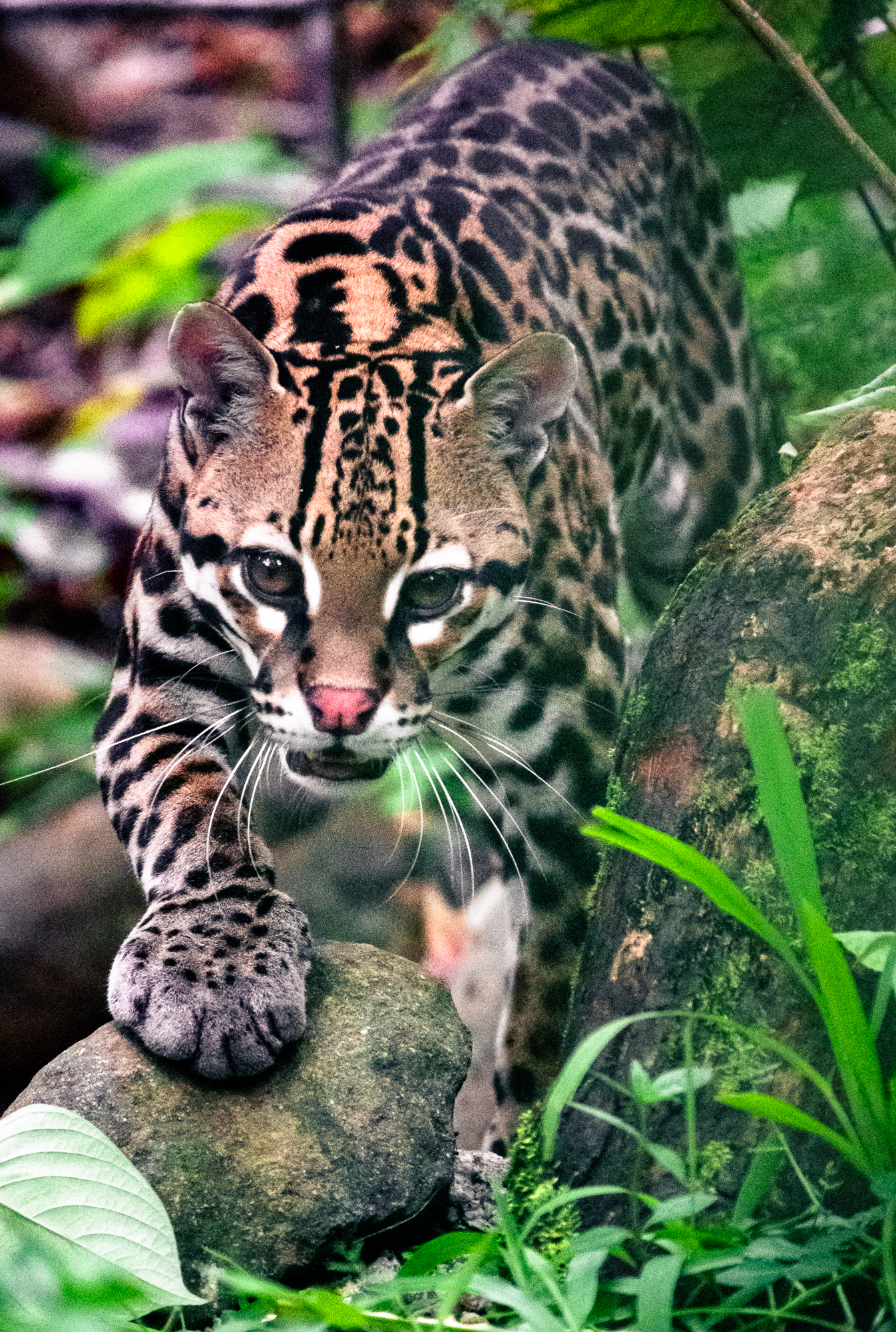
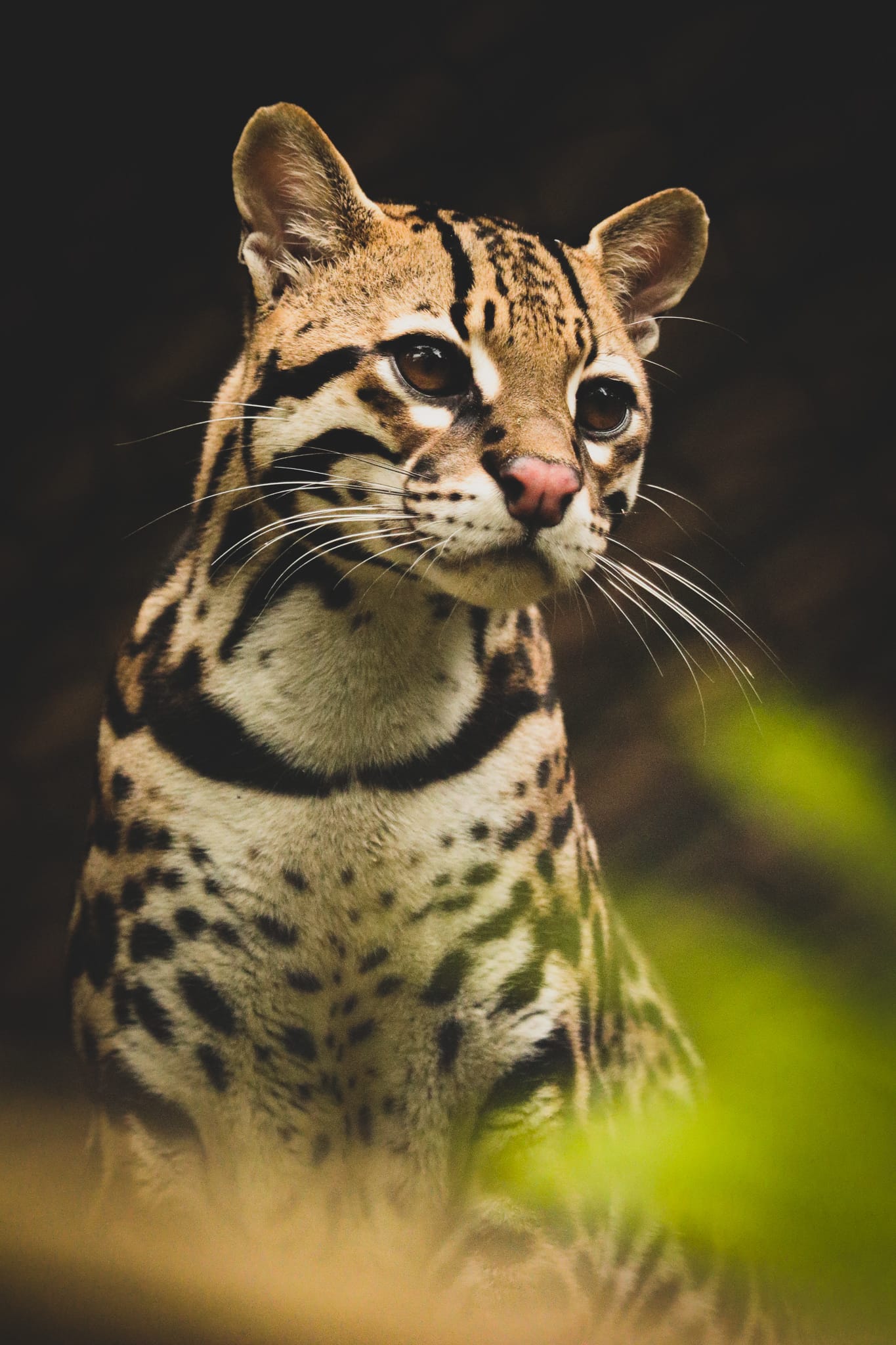
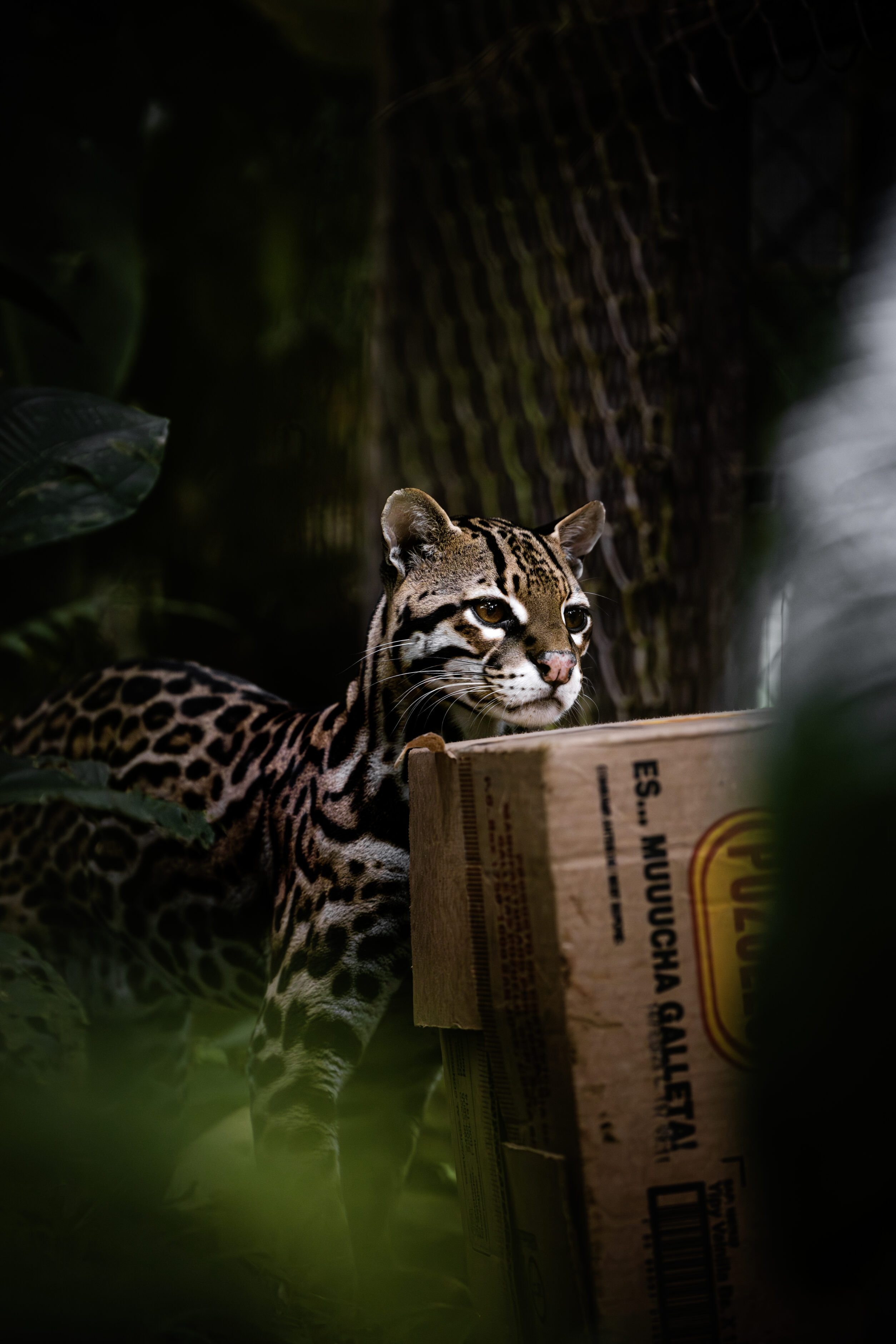
Leo
Species: Ocelot
Taxonomy: (Leopardus pardalis)
Spanish Name: Manigordo; ocelote
Story:
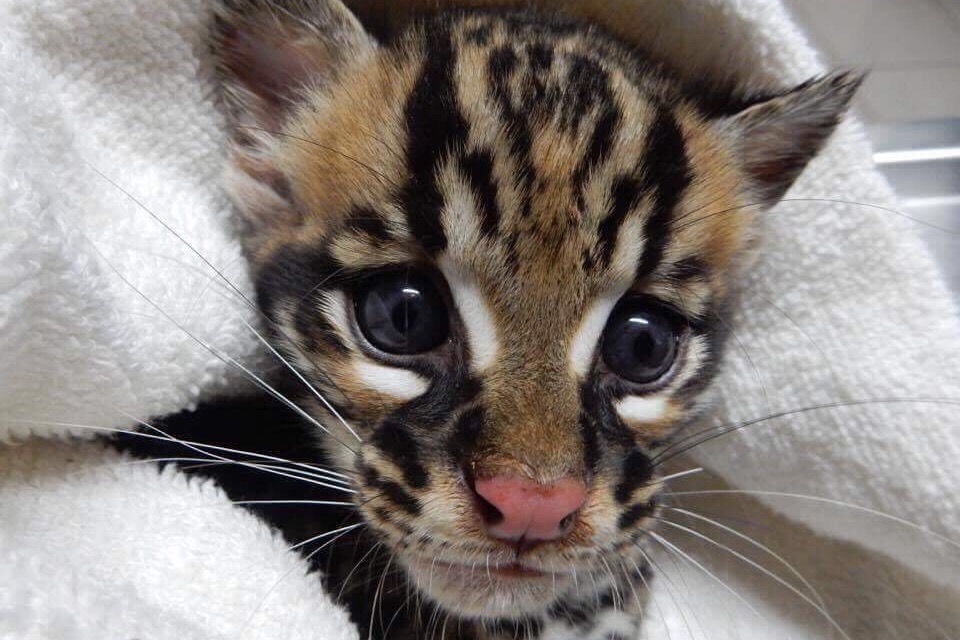
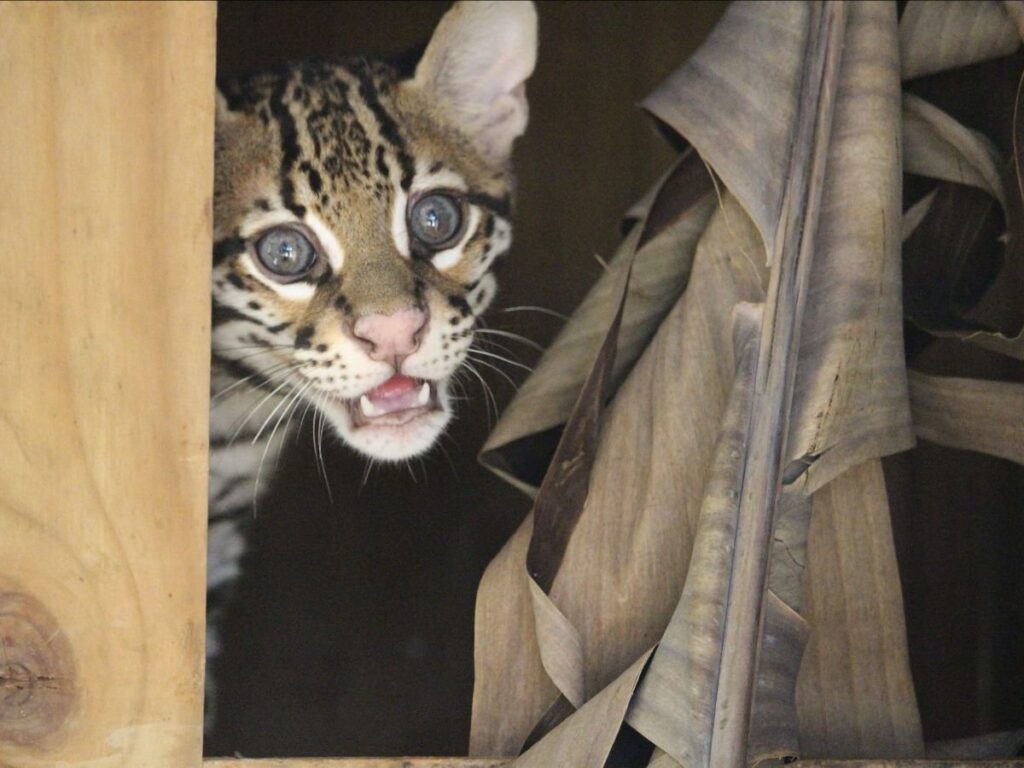
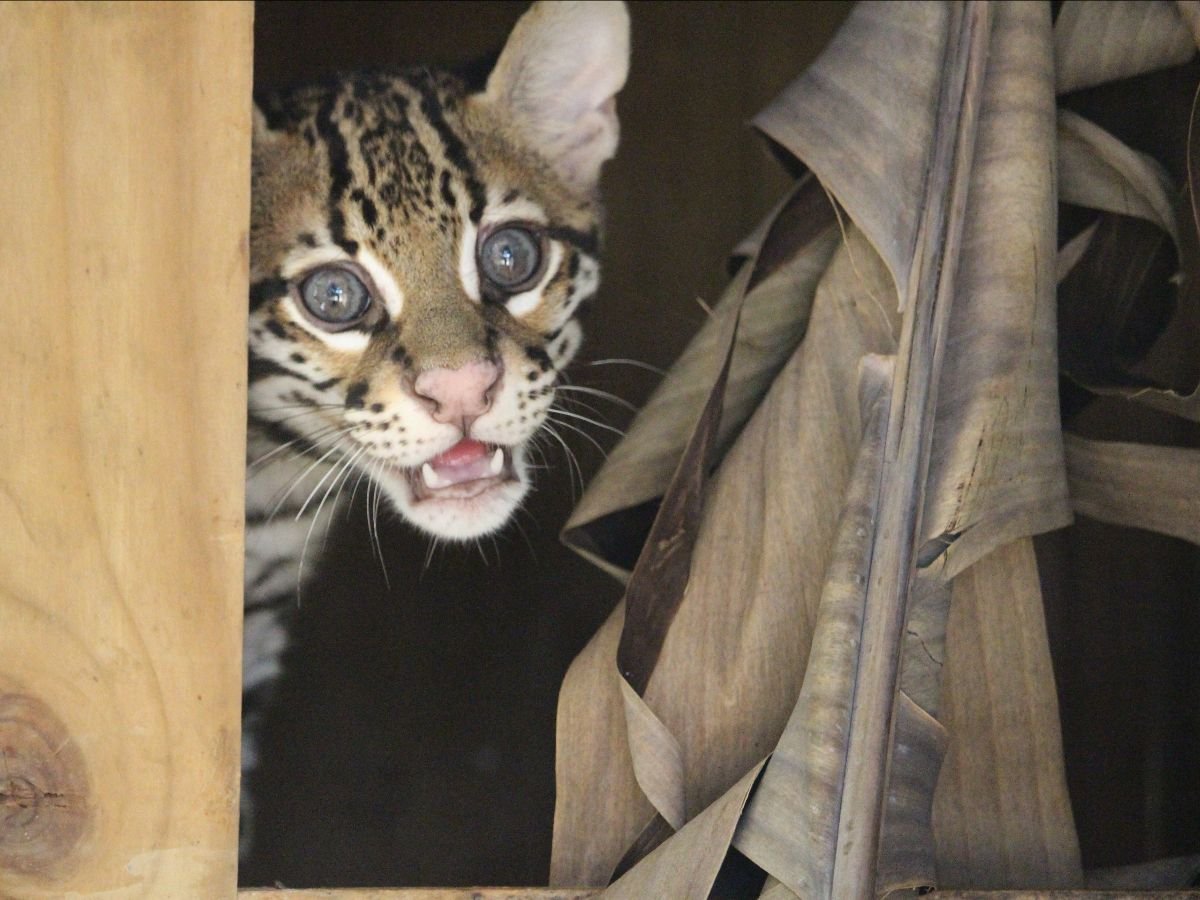
I came to the sanctuary with my sister back in February 2019. Someone had been trying to sell us, and word spread quickly in the community. When people confronted him, he changed his story and claimed he’d found us after his dog scared our mother away while he was cutting grass in the forest. The Alturas team went to the spot he described and found what looked like a den. A camera trap was set up, and we were left there overnight to see if our mother would return. By morning, we were still alone, and the footage didn’t show any sign of her. So we were brought back to be raised and prepared for release.
For a year and a half, my sister and I went through strict rehabilitation. The team used protocols to prevent us from bonding with humans—red robes, scent disguises, and providing live prey without anyone present. When it was time for final evaluations, my sister showed all the behaviors a wild ocelot should have. She hunted, avoided humans, climbed well, and stayed hidden.
I didn’t. I was drawn to people, more interested in approaching them than in acting like an independent wild cat. It surprised everyone, since we were raised exactly the same way, but I had imprinted on humans while my sister hadn’t.
She was released in 2020. I wasn’t. I’m too attached to people, and releasing an animal like me can be dangerous, for the animal and for humans. I might go toward houses or roads, get hurt, or be captured.
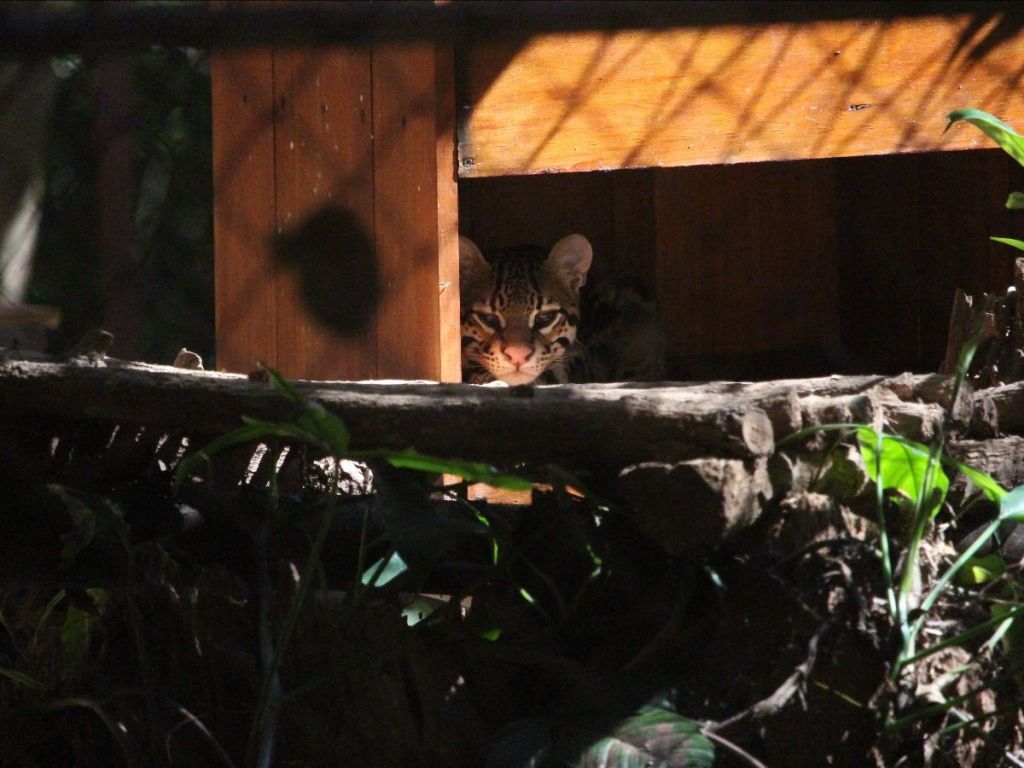
So I stayed. This sanctuary became my home, not because I couldn’t learn, but because my instincts led me in a different direction than my sister’s.